

Challenges and Solutions for India’s Plywood Manufacturing Industry
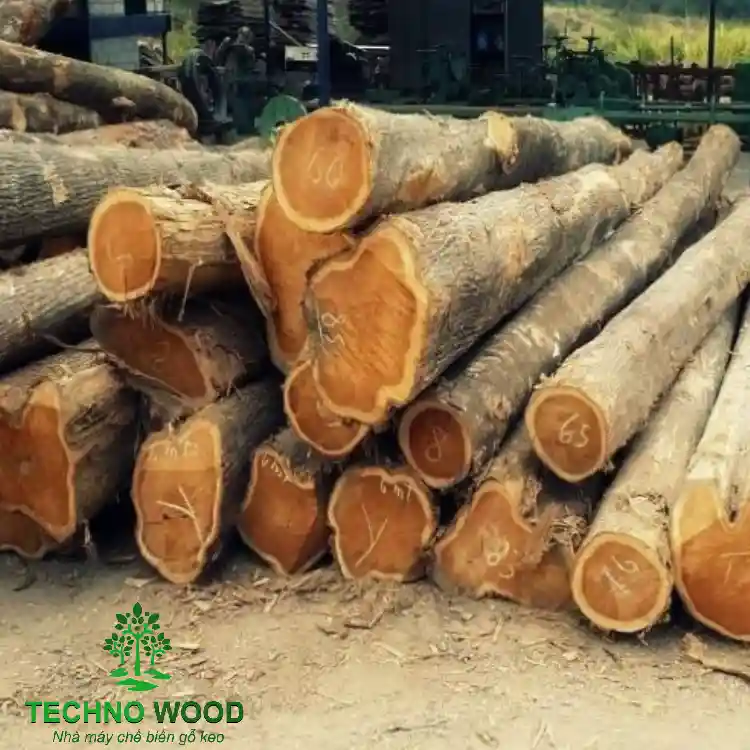
The plywood manufacturing industry in India faces numerous challenges, including a shortage of raw materials, a lack of skilled labor, an absence of corporate organization, and intense competition due to the fragmented nature of the sector.
Furthermore, liberal government policies on importing finished plywood products have contributed to unfavorable economic conditions, slowing the growth of domestic manufacturing infrastructure. However, despite these obstacles, several measures can be implemented to improve the industry’s trajectory and foster positive growth.
The Role of Advanced Technology
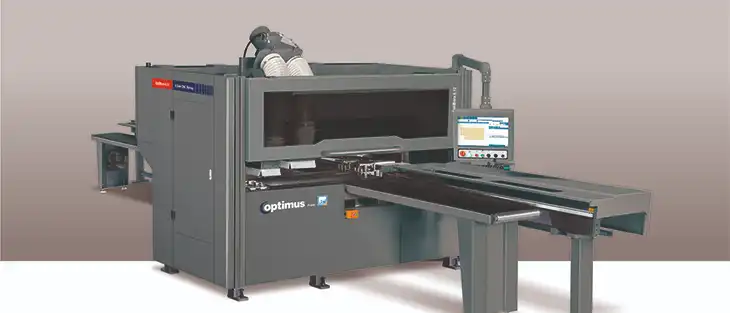
One of the most critical steps toward revitalizing the Indian plywood industry is the adoption of advanced technology. By integrating modern machinery and automated processes, manufacturers can significantly reduce production costs, making them more competitive both in domestic and international markets.
Implementing new technologies will also decrease reliance on both skilled and unskilled labor while improving energy efficiency and reducing the frequency of machine breakdowns that disrupt production.
Several key areas where technology can make a substantial impact include:
- Automated sorting, loading, and feeding of wood logs into debarking machines
- Automatic loading of debarked logs into peeling machines
- Advanced core composing lines and pneumatic glue spreaders
- Automated loading and unloading of hot press machines
- Seamless material movement from one production stage to another
By embracing these technological advancements, Indian plywood manufacturers can transition toward producing calibrated, high-quality products using highly efficient production lines. Additionally, implementing ERP (Enterprise Resource Planning) systems will enable real-time monitoring of operations, while well-structured maintenance schedules will enhance overall efficiency.
Machine Replacement Cycles
For optimal performance, crucial machinery should ideally be replaced every four years, with a maximum operational limit of six years. While routine maintenance can keep machines in working condition, integrating newer technology ensures improved energy efficiency and productivity, ultimately benefiting the industry’s economic growth.
Moreover, the cost of upgrading machinery may not be prohibitively high, as older machines can still be sold to smaller businesses with limited production needs.
Long-Term Industry Benefits
By upgrading technology and fostering better industry organization, the Indian plywood sector can establish a more structured ecosystem, leading to:
- Increased incentives for farmers to grow raw materials
- More uniform pricing across products and markets
- Greater inflow of technical and management expertise
- Compliance with product quality and manufacturing safety standards
- Greater government support in the form of incentives or tax reductions
Indigenous Technology Solutions
India already possesses indigenous technology and machinery to support the entire woodworking sector, allowing for faster adaptation across various levels of manufacturing. Over time, even small and medium-sized enterprises will be able to afford and integrate advanced technology into their production processes.
Kumar Engineering is a prime example of innovation in this space, having developed cutting-edge machinery that exceeds customer expectations in terms of durability and reliability. The company specializes in high-precision calibrating solutions (+0.05mm), leveraging advanced software and engineering expertise from around the world.
Additionally, Kumar Engineering’s machines are designed for moderate power consumption, easy maintenance, and enhanced safety features. The company now exports single and double-sided sanding machines (with a thickness variation of less than 1 mm) and thin laminate sheet sanding machines (0.4 mm) capable of processing up to 22 sheets per minute.
Guided by a vision of engineering excellence and sustainability, Kumar Engineering aims to be a driving force for positive change—championing a cleaner, greener, and more carbon-neutral future for the global plywood industry.
Source: woodnews.in